
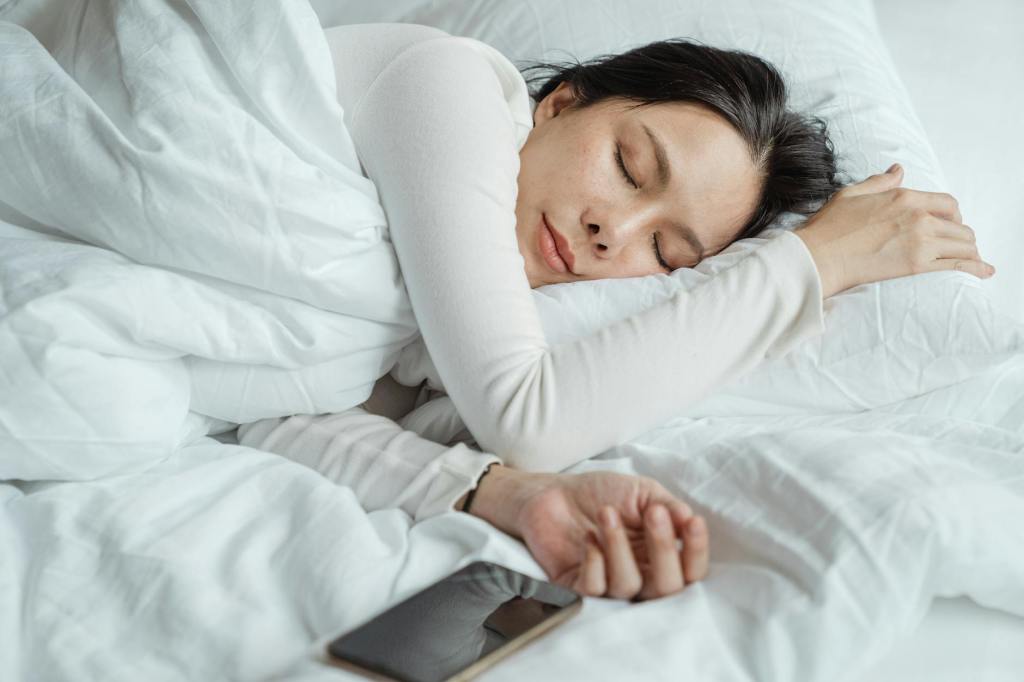
Sleep hygiene means practices and habits that are conducive to promoting good sleep quality and overall health. Everyone wants to sleep better because better sleep leads to healthier lives. One way to improve your sleep is to brush up on your sleep hygiene. Here are some key components of good sleep hygiene:
- Consistent Sleep Schedule: Try to go to bed and wake up at the same time every day, even on weekends. This helps regulate your body’s internal clock. Even though I love to sleep in on the weekends, I have found having a consistent sleep schedule makes me feel better overall.
- Create a Relaxing Bedtime Routine: Establish a calming pre-sleep routine to signal to your body that it’s time to wind down. This might include activities like reading, taking a warm bath, or practicing relaxation exercises.
- Optimize Your Sleep Environment: Make sure your bedroom is conducive to sleep by keeping it cool, dark, and quiet. Invest in a comfortable mattress and pillows, and consider using white noise machines or earplugs if noise is a problem.
- Limit Exposure to Screens Before Bed: This is a hard one but can make a big difference! The blue light emitted by electronic devices like smartphones, tablets, and computers can interfere with your body’s natural sleep-wake cycle. Try to avoid screens at least an hour before bedtime, or use blue light filters and night mode settings on your devices.
- Watch Your Diet and Fluid Intake: Avoid heavy meals, caffeine, and alcohol close to bedtime, as these can disrupt sleep. Instead, opt for light, nutritious snacks if you’re hungry before bed, and limit your intake of fluids to reduce the likelihood of waking up to use the bathroom.
- Exercise Regularly: Engaging in regular physical activity can help improve sleep quality, but try to avoid vigorous exercise too close to bedtime, as it can be stimulating and make it harder to fall asleep.
- Manage Stress: Stress and anxiety can interfere with sleep, so it’s important to find healthy ways to manage them. Techniques like deep breathing, meditation, or progressive muscle relaxation can help calm your mind and prepare your body for sleep.
- Limit Naps: I sure love a good nap, but when I sleep too much during the day, I do not sleep as well at night. While short naps can be beneficial, especially if you’re sleep deprived, long or irregular napping during the day can disrupt your sleep-wake cycle and make it harder to fall asleep at night.
Start slow and pick one or two areas to improve upon. Soon, you’ll be improving your sleep hygiene and sleeping better in no time!

 Your Mattress Warehouse